
Revelation 5:1-4 (1) And I saw in the right hand of Him who sat on the throne a scroll written inside and on the back, sealed with seven seals. (2) Then I saw a strong angel proclaiming with a loud voice, “Who is worthy to open the scroll and to loose its seals?” (3) And no one in heaven or on the earth or under the earth was able to open the scroll, or to look at it. (4) So I wept much, because no one was found worthy to open and read the scroll, or to look at it.
Read MoreRabbi Israel Ben Heman's Freeline fm.
The Nazarim Christian Nation.

Luke 13:10-17 (10) Now He was teaching in one of the synagogues on the Sabbath. (11) And behold, there was a woman who had a spirit of infirmity eighteen years, and was bent over and could in no way raise herself up.
Read More
(30) "As for you, son of man, the children of your people are talking about you beside the walls and in the doors of the houses; and they speak to one another, everyone saying to his brother, "Please come and hear what the word is that comes from the LORD."
Read More

Numbers 22:22 stuborn as a mule... (22) Then God's anger was aroused because he went, and the Angel of the LORD took His stand in the way as an adversary against him. And he was riding on his donkey, and his two servants were with him.
Read More
Romans 8:28-29 (28) And we know that all things work together for good to those who love God, to those who are the called according to His purpose. (29) For whom He foreknew, He also predestined to be conformed to the image of His Son, that He might be the firstborn among many brethren.
Read More

Matthew 26:64-66 (64) Jesus said to him, "It is as you said. Nevertheless, I say to you, hereafter you will see the Son of Man sitting at the right hand of the Power, and coming on the clouds of heaven." (65) Then the high priest tore his clothes, saying, "He has spoken blasphemy! What further need do we have of witnesses? Look, now you have heard His blasphemy! (66) What do you think?" They answered and said, "He is deserving of death."
Read More
Genesis 19:14 (14) So Lot went out and spoke to his sons-in-law, who had married his daughters, and said, "Get up, get out of this place; for the LORD will destroy this city!" But to his sons-in-law he seemed to be joking.
Read More
Genesis 3:16 (16) To the woman He said: "I will greatly multiply your sorrow and your conception; In pain you shall bring forth children; Your desire shall be for your husband, And he shall rule over you."
Read More

The Freeline F.M. Class Action News.

Iran confirms supreme leader Khamenei is dead after US, Israeli attacks.
Read More
The brain dead Prime Minister of "live in the past" Britain has blown what was once a great friendship with the US.
Read More
It's time someone said what needs to be said about stinking Islam.... I;m fed up of being politically correct, I'm say it all now.
Read More
Doggy rescue project. https://YouTube/OtSx8h4A?si=E3uLhQeaPRN4B5UK
Read More
Open letter to chancellor calls out ‘failure on all counts’ to protect Jewish students from ‘antisemitism’ for ‘apartheid state’ motion. Take a look at the numbers. They are really bad and do not bode well for Britain particularly if Labor remains in power which they are likely to do for the next 5 years.
Read More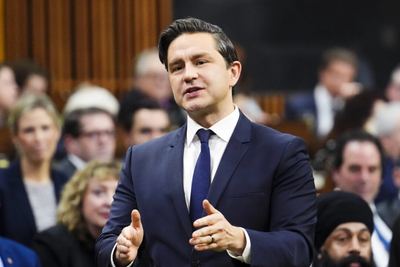
The Left all over the World is in Freefall to destruction. Thank God.
Read More
Islam in the West. The pogroms in Amsterdam have ignited a frenzy of Jew hatred and bloodlust. David Collier writes for us, Amsterdam again tonight and every other night for the past week. We know where this is heading. If you think this ends in Amsterdam or think this ends with the Jews – you are badly mistaken. If you do not get a grip on this now – they will be chasing and beating your children next…In London, Paris, Berlin – or wherever else they find a willing victim.
Read More
Unlike the blind with Jew hating left, President Trump understands that Israel is on the front lines in the global jihad war on the West.
Read More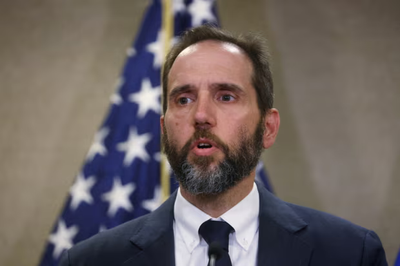
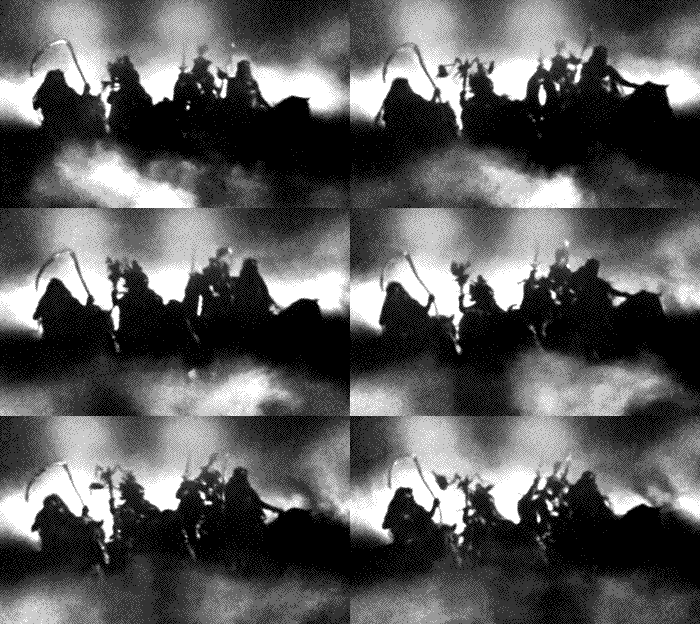
As Islamic Groups Vow Massacres, Paris Olympics Target Christianity By Robert Spencer, PJ Media, Jul 28, 2024:Every Western leftist’s favorite jihad group, Hamas, released a video a few days before the Olympics opened, vowing that there would soon be “rivers of blood flowing through the streets of Paris.”
Read More
‘Fear Not’ Trump Says, Calling on All Americans To ‘Stand United Secret Service officials, having identified shooter as 20-year-old man with no known criminal record, say the investigation remains active and ongoing and have asked the public for assistance.
Read More
Troops enter city after killing of Amnon Muchtar, 67; army source says signs point to nationalistic motive; vehicle of victim set on fire after shooting.
Read MoreRabbi Israel's Autistic Kid V. Blog.
What happened to Assange? Swedish authorities issued an arrest warrant for Assange in 2010 over charges of rape and sexual assault.He was later held in the UK, where he was living at the time, to await the result of an extradition request to face the charges in Sweden.Two years later, however, Assange skipped bail and sought asylum in the Ecuadorian Embassy in London, where he would spend the next seven years.
Freeline's Guest Journo....

Today, we welcome the critacally acclaimed Journourlist of the superb Epoch Times, Mr, Roman Balmakov.
Read More
Is “our planet is facing a dire crisis” due to rising temperatures? See the real science, not the politically distorted data the Globalists want you to swallow.
Read More
Dr. Sebastian Gorka tears off America’s politically correct blindfold and clarifies who our foes are, what makes them think, and how to defeat them. His journey to his current role at Salem could not have been more unusual, or more of a true “American Story.”
Read More
I love my country, democracy and sovereignty.
Read More

Saturday Night @ the Movies.



Revelation 20:12-13 (12) And I saw the dead, small and great, standing before God, and books were opened. And another book was opened, which is the Book of Life. And the dead were judged according to their works, by the things which were written in the books. (13) The sea gave up the dead who were in it, and Death and Hades delivered up the dead who were in them. And they were judged, each one according to his works.
Read More
Biblical Prophecy is being fulfilled as we speak...
Read More
The Natsarim (Hebrew for “Nazarenes”) are a religious sect that mixes biblical truth with the Torah, the Jewish festivals, and the philosophies of men. They are part of the Hebrew Roots movement. The Natsarim claim to follow the Jesus defined in the four gospels, and they refer to Him as Yeshua HaMashiach (“Jesus the Messiah”).
Read More

The End Times: In the Words of Jesus Christ
Read More
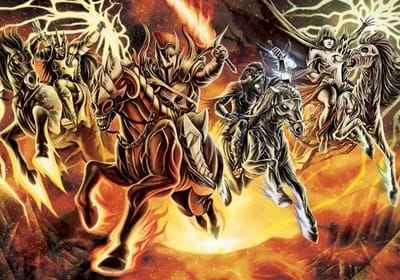
End Times: The Movie is a look at our modern world, through the lens of bible prophecy. What does the Bible say about the end times? Every generation since the death of Jesus Christ has thought they were living in the end times, so what makes this generation any different?
Read More
Revelation 2:26 (26) And he who overcomes, and keeps My works until the end, to him I will give power over the nations—
Read More

Donations to The Lord's work.

0€
Have Your Say....

The Cover Photo.. This shows an Englishman who lives in Spain, he was savagely beaten by Spanish police thugs and almost died of his injuries, he wasn't even suspected or chrged with an offence, they just wanted to beat him for no reason with their night sticks. Visa for family members of foreigners who already have legal resident status in Spain and who wish to exercise the right to family reunification. This type of visa is not issued to family members of citizens of the European Union or of the Member States of the European Economic Area or of Switzerland (see “Visas for family members of EU citizens").
Read More
Trump Jury Selection Offers Clues to New York Trial’s Direction President Trump’s jury selection has raised questions about the legal process and whether lawyers can serve as suitable jurors.
Read More
More information on Viral Infections and how we develop Vaccines to fight them...
Read More
Ivermectin... Humans may not fully appreciate the real benefits and values of nature, including its role in preventing epidemics.
Read More
If it is possible to watch a society—an entire civilization—go insane, we are watching that phenomenon in real time. Across all forms of media, the headlines bring fresh evidence daily.
Read More
Does Israel have the Right to Defend Itself.... Should Muslims in the western world be preventd from filling the streets with murder chants and hate bombing Israel??? HAVE YOUR SAY...
Read MoreBible Shorts.

The Tree of life... ‘Did the Tree of Life mentioned in the book of Genesis, have power to impart immortality to mortal man, as might be deduced from Genesis 3:22?’The Tree of Life stood in the centre of the Garden of Eden which elsewhere is called ‘The Garden of the LORD’.1 It was a real tree, to be sure, but let me suggest that it was also symbolic of the fact that God was, and is, the source of eternal life and blessing. Adam and Eve were to have their life centred in Him, even as the Tree was in the centre of His Garden.
Read More
The Sermon on The Mount... 5 Now when Jesus saw the crowds, he went up on a mountainside and sat down. His disciples came to him, 2 and he began to teach them.
Read MoreThe Health Clinic Diary.
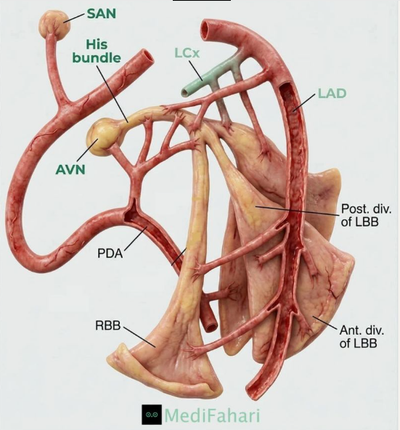
Abstract Contemporary cardiovascular medicine categorizes tobacco use primarily as a biochemical atherogenic accelerant. This paper introduces a next-generation biophysical paradigm, demonstrating that smoking operates as a systemic blockade against endogenous vascular engineering. Utilizing the Hagen-Poiseuille fluid dynamics matrix, we model how nicotine-induced vasoconstriction and carboxyhemoglobin-driven hypoxia disrupt the critical laminar shear stress gradients required to drive outward collateral arteriogenesis. Furthermore, we illustrate how combustion-derived systemic inflammation hyper-methylates the Krüppel-like Factor 2 (KLF2) gene locus, rendering the vascular endothelium mechanically deaf to physical friction. This paper argues that the true lethality of smoking lies not merely in plaque deposition, but in the systematic, epigenetic inactivation of the body’s endogenous collateral redundancy networks, leaving the nicotinic vascular tree uniquely vulnerable to catastrophic myocardial necrosis. Section I: Introduction and the Great Biometric Hijack To confront the true scope of tobacco-induced pathology, the medical community must look past the standard, reactive public health warnings that have long numbed the patient population. Smoking must be redefined not as a collection of isolated diseases, but as a literal chemical hijacking of human agency and evolutionary adaptation. For millions of years, the human organism underwent rigorous selection to hand down a highly optimized biological machine. The human body is wired with an elite fight-or-flight survival system designed to unleash maximum adrenaline, sharpen focus, and constrict peripheral blood vessels to protect the core during an existential crisis. Every time a consumer lights a cigarette, they use nicotine to artificially trigger that emergency survival system. The smoker forces their heart into a frantic panic state while sitting completely at rest, turning nature's most advanced survival mechanism into a cheap, constant chemical pacifier that systematically wears out the engine block for absolutely no purpose. This biological exploitation is funded by an absurd economic reality. Tobacco products represent the only consumer good on earth that, when used exactly as the manufacturer intends, are guaranteed to destroy the consumer. The smoker exchanges their hard-earned financial currency for a product that systematically steals their physical currency—their breathing capacity, their sensory perception, and their time. They are literally working a job to fund their own organic decomposition. This represents a masterclass in corporate slavery, disguised as personal freedom or individual rebellion. Tobacco companies specifically design these products with precise chemical additives, such as ammonia, to accelerate nicotine delivery across the blood-brain barrier in seconds, ensuring your brain chemistry is completely dependent on their supply chain. The smoker is not choosing to smoke; a multi-billion-dollar corporate entity is pulling a chemical lever in their brain, forcing them to spend their money and inhale poison just to feel normal for five minutes. This chronic exposure acts as a permanent volume dial that turns down the vividness of the human experience, blunting the sensory grids of the tongue, dulling the olfactory nerves, and reducing a vibrant human existence to a muted, chemical fog. Section II: The Neurovascular Breach and the Axis of Autoimmune Decay While public health messaging historically emphasizes the thoracic and macrovascular consequences of tobacco abuse, a profound existential threat lies in its unmediated, destructive penetration of the central nervous system. The brain is naturally protected by the blood-brain barrier, a highly specialized, selective endothelial firewall that excludes circulating systemic toxins and peripheral immune cells from the delicate cerebral parenchyma. Inhalation of tobacco smoke forces a highly concentrated stream of reactive oxygen species, acrolein, and heavy metals like cadmium directly into the bloodstream, where they induce severe cerebrovascular oxidative stress. This chemical assault rapidly upregulates matrix metalloproteinases, which systematically degrade the tight junction proteins—specifically claudin-5 and zonula occludens-1—that hold the protective barrier together. The structural firewall is effectively dismantled, transforming a pristine, privileged neural environment into an un-shielded, porous landing zone for circulating systemic poisons and hyper-aggressive peripheral inflammatory cells. Once this neurovascular unit is breached, the causal trajectory toward catastrophic neurological instability becomes absolute. In patients genetically susceptible to Multiple Sclerosis, this smoking-induced barrier failure allows autoreactive T-lymphocytes and pro-inflammatory cytokines to effortlessly storm the central nervous system. These rogue immune cells launch a predatory attack on the myelin sheaths protecting cerebral and spinal axons, stripping away the nervous system's biological insulation like corroded wiring in a complex computer. The result is not merely physical disability, but a progressive, unpredictable short-circuiting of cognitive processing speed, executive function, and emotional stability. Simultaneously, this uninhibited flood of smoke-derived free radicals triggers chronic microglial activation, locking the brain into a state of permanent, low-grade neuroinflammation. In the cerebral cortex and hippocampus, this inflammatory milieu accelerates endothelial collapse, inducing white matter hyperintensities and driving the rapid deposition of neurotoxic amyloid-beta and hyperphosphorylated tau proteins. For the chronic smoker, this dual-pathway assault culminates in accelerated brain tissue atrophy and the premature onset of Alzheimer's disease and vascular dementia. The final clinical reality is a profound, irreversible erosion of human agency: the systematic erasure of memory, the decay of personality, and the slow, conscious loss of cognitive self-sovereignty, leaving the patient physically intact but mentally hollowed out. This destruction of the blood-brain barrier does not occur in biological isolation; rather, it serves as the upstream nexus for a cascade of systemic autoimmune and vascular diseases that target multiple organs simultaneously. Long before a smoker presents with joint deformities, tobacco smoke induces an enzyme called peptidylarginine deiminase in the lungs. This enzyme chemically alters normal proteins into foreign shapes via a process called citrullination. The immune system misidentifies these altered lung proteins as dangerous invaders and manufactures anti-citrullinated protein antibodies. These rogue antibodies migrate systemically, crossing the breached blood-brain barrier to irritate cerebral vasculature while simultaneously launching a predatory, destructive attack on the synovial membranes of the joints, leaving the patient trapped in a body plagued by both excruciating joint erosion and neuroinflammatory cognitive fog. Concurrently, tobacco use acts as the exclusive driver of Thromboangiitis Obliterans, or Buerger’s disease, which represents the complete structural shutdown of the small and medium arteries in the extremities. The toxic load triggers an intense, acute inflammatory response directly within the walls of the blood vessels, causing the endothelial lining to swell shut and form massive clots. Blood flow to the fingers and toes stops entirely, causing the tissue to starve, die, and rot while still attached to the body, requiring progressive, agonizing amputations. This peripheral tissue death is amplified as a source of unremitting, phantom ischemic pain because the patient's nervous system is already hyper-sensitized by smoke-induced neuroinflammation. Furthermore, while smoking suppresses ulcerative colitis, it acts as a highly destructive exacerbator of Crohn’s Disease. The microvascular ischemia caused by nicotine deprives the mucosal lining of the gastrointestinal tract of oxygen, while smoke-derived free radicals alter the gut microbiome and breach the intestinal epithelial barrier. This leads to deep, transmural ulcers, painful fistulas, and strictures anywhere from the mouth to the anus, causing chronic, nutrient-stripping diarrhea and severe abdominal cramping that further starves a brain already struggling to survive behind a crumbling blood-brain barrier. Section III: The Corrosive Pipeline: Oral Malignancy, Dental Decay, and Gastrointestinal Degradation The upper gastrointestinal tract acts as the primary mechanical intake manifold of the human body. When a smoker draws on a cigarette, this entire pipeline is forced to process an un-filtered, high-temperature stream of gaseous toxins, volatile organic compounds, and radioactive heavy metals. Long before these mutagens affect the deep organ systems, they inflict catastrophic structural and microbial damage on the oral cavity, esophagus, and stomach. The mouth relies on a delicate balance of continuous salivary flow, immune globulins, and beneficial microflora to protect the teeth and gums. Tobacco smoke permanently corrupts this protective environment by paralyzing the salivary glands, causing chronic dry mouth. This strips away the mouth's natural cleaning mechanism, allowing anaerobic, sulfur-producing bacteria to multiply unchecked, leading to intractable halitosis—a deep, foul breath odor caused by volatile sulfur compounds rotting inside the oral tissue that no amount of hygiene can mask. Simultaneously, nicotine causes immediate, severe constriction of the tiny blood vessels supplying the gums and jawbone. Starved of oxygen and nutrients, the gum line recedes, and the underlying alveolar bone undergoes slow necrosis. Deprived of structural support, the teeth become brittle, decay from the root upward, turn a deeply stained, necrotic yellow-black, and eventually loosen and fall out of the rotting gums. This chemical assault scales rapidly into malignant transformation. The squamous epithelial cells lining the tongue, floor of the mouth, throat, and esophagus are subjected to direct, repetitive chemical burns with every puff. Carcinogens like polycyclic aromatic hydrocarbons and tobacco-specific nitrosamines bind directly to the DNA of these oral cells, forming permanent DNA adducts that disable tumor-suppressor genes like p53. This leads directly to aggressive Squamous Cell Carcinoma. In worst-case scenarios, saving the patient’s life requires a radical mandibulectomy, partial or total tongue removal, and permanent placement of a tracheostomy tube just to allow breathing. The smoker is left permanently disfigured, unable to speak normally, chew food, or swallow, completely erasing their social and physical identity. As a smoker swallows saliva contaminated with dissolved tobacco particles, these toxins move down into the stomach, where they disrupt the delicate balance of the digestive lining. Nicotine stimulates the vagus nerve to hyper-secrete gastric acid while simultaneously reducing the production of protective bicarbonate ions and restricting blood flow to the stomach lining. This acid overdrive causes deep, agonizing gastric and duodenal ulcers that constantly bleed, causing chronic anemia and dark, bloody stools. Over time, the chronic acid reflux irritates the esophagus, triggering Barrett’s Esophagus, a precancerous rewriting of the cellular lining. This completely disrupts the body’s ability to process and absorb nutrients, turning the simple act of eating into a source of severe pain. Section IV: Chemical Chaos: Endocrine Derangement and Reproductive Sterility The endocrine system serves as the body’s central hormonal command network, regulating metabolism, stress responses, and cellular repair through precise chemical messaging. Concurrently, the reproductive system governs the preservation of genetic continuity. Chronic tobacco inhalation introduces an unmediated, toxic flood of heavy metals, nicotine, and endocrine-disrupting chemicals that systematically hijack hormone receptors, accelerate tissue aging, and induce cellular sterility. Tobacco smoke corrupts the delicate feedback loops of the major glands, throwing the body's metabolic and structural homeostasis into a chaotic downward spiral. Nicotine continuously triggers the adrenal glands to hyper-secrete cortisol and adrenaline. This chronic, stress-induced hormone flood forces the liver to dump glucose into the bloodstream while simultaneously blocking muscle cells from absorbing it, resulting in severe, drug-resistant insulin resistance that drives even lean smokers straight into Type 2 Diabetes and pancreatic burnout. Skeletally, cadmium and nicotine are directly toxic to osteoblasts, the cells responsible for building bone. Simultaneously, smoking accelerates the breakdown of protective estrogen and testosterone, while blocking the intestines from absorbing calcium. Over time, this cumulative damage leaves the smoker with advanced, brittle Osteoporosis. The spine slowly collapses from micro-fractures, and a simple misstep can shatter the hip, leading to permanent, bed-ridden immobility. This structural decay matches a complete reproductive collapse. The male reproductive apparatus relies on delicate, low-pressure microvasculature and pristine cellular division to maintain function and genetic integrity. Achieving and maintaining an erection is entirely dependent on healthy nitric oxide production and intact pelvic blood flow. Nicotine causes immediate, severe vasospasms, while tobacco toxins induce permanent atherosclerosis in the tiny penile arteries. Blood flow is effectively strangled, leading to intractable erectile dysfunction, leaving the patient physically incapable of natural sexual function. Furthermore, toxins like lead and polycyclic aromatic hydrocarbons cross the blood-testis barrier, causing deep oxidative stress within the seminiferous tubules. This causes Leydig cell hypoplasia, crushing natural testosterone production. The sperm cells produced are severely malformed, swim aimlessly, and carry highly fragmented, mutated DNA, introducing a vastly elevated risk of miscarriage or congenital defects, effectively corrupting the patient’s genetic legacy. The female reproductive lifespan is equally vulnerable, dictated by a non-renewable pool of ovarian follicles. Polycyclic aromatic hydrocarbons in tobacco smoke bind directly to receptors in the ovaries, triggering programmed cell death of the primary oocytes. The smoker is literally poisoning her own eggs, driving her into premature ovarian failure and infertility. This ovarian poisoning matches accelerated metabolic destruction; smoking alters hepatic metabolism, forcing the liver to rapidly break down circulating estrogen into useless, inactive compounds. This premature drop in estrogen levels triggers early onset menopause, often by several years. The protective cardiovascular and skeletal benefits of estrogen are stripped away decades too early, causing rapid skin aging, severe hot flashes, vaginal atrophy, and an immediate, sharp increase in the risk of sudden heart attacks. Section V: The Structural Erosion of the Outer Chassis: Microvascular Ischemia and Dermatological Decay The skin and its underlying connective tissues serve as the body's primary mechanical barrier, thermal regulator, and environmental shield. To maintain elasticity, self-repair, and structural integrity, this vast organ system relies on a continuous, high-volume supply of oxygen through a delicate network of microscopic capillaries. Inhalation of tobacco smoke launches a dual-front assault on this outer chassis, combining acute microvascular strangulation with the direct, systemic destruction of structural proteins. Every single puff of a tobacco stick introduces a concentrated dose of nicotine that acts as a potent vasoconstrictor. Within minutes of inhalation, the microscopic arterioles supplying the dermal layers of the skin violently spasm and narrow, reducing peripheral blood flow by up to forty percent. For a pack-a-day smoker, this means the skin is kept in a state of near-permanent oxygen starvation, or ischemia, for over twelve hours every day. Deprived of oxygen and vital nutrients, the skin loses its natural cellular turnover rate, leading directly to a dull, ash-gray or pale-yellow complexion known as Smoker’s Face. Beyond the severe blood restriction, combustion toxins absorbed into the bloodstream trigger a profound biochemical breakdown of the skin's structural scaffolding. The free radicals in tobacco smoke activate a destructive family of enzymes known as matrix metalloproteinases. These enzymes actively hunt down and chew through collagen and elastin, the exact structural proteins responsible for keeping the skin firm, plump, and resilient. Over a five-year and ten-year timeline, this enzymatic destruction permanently thins the dermis. The skin loses its elastic recoil, causing deep, sharp, premature wrinkles to form, particularly around the mouth from the repetitive mechanical act of puffing, and around the eyes where the tissue is thinnest. The smoker's body is physically stripped of its youthful elasticity, leaving them looking decades older than their actual chronological age. Because the skin's microvasculature is permanently damaged and its collagen framework is degraded, the body's natural self-repair mechanisms completely fail. When a chronic smoker sustains a physical wound, surgical incision, or simple skin tear, the local tissues cannot recruit the required white blood cells or building blocks to close the breach, leading to a massive rate of wound splitting alongside a highly elevated risk of necrotic skin infections and chronic, non-healing ischemic ulcers. Section VI: Conclusion: The Total Systems Eviction of the Nicotinic Organism The data compiled across this treatise demands a fundamental paradigm shift in how modern medicine defines, diagnoses, and confronts tobacco addiction. For decades, clinical guidelines have comfortably reduced smoking to a localized pulmonary risk or an isolated biochemical insult. This paper exposes that reductionism as a dangerous diagnostic failure. Tobacco smoke does not merely irritate tissues or deposit plaque; it acts as a coordinated, multi-front engineering blockade that systematically forces the human machine into an un-orchestrated state of irreversible structural decay. From the initial upper-intake pipeline, the mechanics of destruction are absolute. The oral cavity is transformed into a dry, pathogenic, bacterial breeding ground where the alveolar bone faces slow starvation, directly driving intractable halitosis and localized tissue putrefaction. As these combustion toxins travel down the digestive line, they force the stomach into a chronic state of acid overdrive and ischemic mucosal breakdown, effectively turning the mechanical intake manifold into a painful source of systemic nutrient deprivation. Simultaneously, the endocrine and reproductive engines are thrown into absolute chemical chaos. The continuous, adrenaline-driven cortisol surges trigger profound insulin resistance, while direct ovarian and testicular poisoning induces premature tissue aging and cellular sterility. The body's biological legacy and structural framework are eroded simultaneously, culminating in advanced, brittle osteoporosis where the skeletal chassis loses its baseline density and resilience. Yet, the true horror of the nicotinic organism is realized where these systemic failures intersect with the nervous system. By systematically dismantling the tight junction proteins of the endothelial units, tobacco smoke permanently breaches the blood-brain barrier. The brain's privileged, secure firewall is transformed into a porous landing zone for circulating systemic poisons and hyper-aggressive peripheral immune cells, paving an undeniable, accelerated path toward the myelodestructive lesions of Multiple Sclerosis, chronic neuroinflammation, and rapid cerebral tissue atrophy. The physical body may remain upright for a time, but the cognitive self-sovereignty, memory, and fundamental human agency of the patient are slowly and consciously erased. When a clinician looks at a chronic smoker, they are not looking at a patient with a discrete, manageable medical condition. They are looking at an individual who is actively financing the slow, mechanical demolition of their own biological scaffolding. The smoker’s face, the rotting gums, the ulcerated gut, the brittle bones, and the failing cerebral circuitry are all highly visible, outward markers of an ongoing, internal systems collapse. Ultimately, this paper serves as an urgent, uncompromising call to action for the medical community. We must strip away the soft, reactive language of traditional cessation programs and force our patients to confront the visceral reality of their habit. Smoking is not a lifestyle choice, a coping mechanism, or a simple vice; it is a progressive, paid-for chemical suicide that systematically evicts the human mind from its own rotting biological home. It is time for medicine to treat it as nothing less.
Read More
Modern cardiovascular medicine remains fundamentally reactive, relying on pharmaceutical symptom management and late-stage mechanical interventions. This paper presents the Physiostress Doctrine, a top-down conceptual model that shifts the cardiovascular paradigm from reactive interventional cardiology to proactive vascular engineering.The biological foundation of this doctrine rests on a critical distinction in vascular biology:
Read More
A new study has found low testosterone in men is associated with a shorter lifespan and increased cardiovascular disease.Testosterone levels in men have been dropping for the last several decades, and is part of a broader endocrine decline in developed countries.What’s causing this shift?
Read MoreIsrael Ben Heman's Cardiology Department.
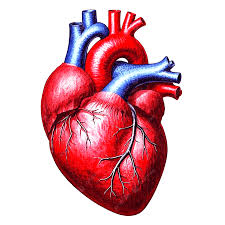
A Medical examination of the western world’s most prolific serial killer… By Dr. Roy Hemingway MD FACC Th.D.
Read More